
How to Select the Right Liquid Cold Plate for Your AI Server Cooling System: A Comprehensive Guide by Winshare Thermal
Mastering AI Server Cooling: Your Step-by-Step Guide to Liquid Cold Plate Selection
The explosive growth of artificial intelligence and high-performance computing has pushed thermal management to its limits. As power densities soar beyond 1kW per chip, traditional air cooling is no longer sufficient. Liquid Cold Plates have become the cornerstone of modern AI Cooling solutions. However, with various types like Brazed Cold Plates, FSW Cold Plates, and Die Cast Cold Plates available, selecting the right one is critical for performance, reliability, and total cost of ownership. This guide, backed by the expertise of Winshare Thermal, will walk you through the key decision factors.
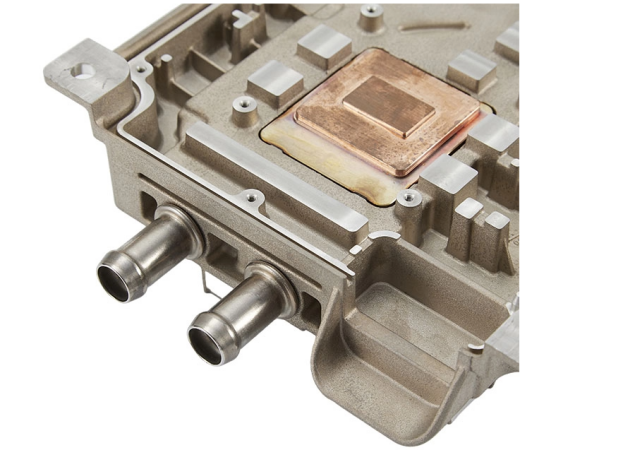
Figure 1: High-density AI server racks utilizing advanced liquid cooling plates for optimal thermal performance.
Step 1: Define Your Thermal and Mechanical Requirements
Before diving into specific Liquid Cooling Plate technologies, clearly outline your needs:
- Heat Load (Watts): The total power dissipation of the CPU, GPU, or ASIC. AI chips can easily exceed 500-800W each.
- Target Temperature & Uniformity: Maximum allowable junction temperature and the acceptable temperature difference across the chip surface.
- Flow Rate & Pressure Drop: Constraints from your facility's cooling distribution unit (CDU) or pump.
- Footprint & Z-Height: The available space on the PCB and the allowable thickness of the cold plate.
- Interface Material: Requirements for thermal interface material (TIM) application and pressure.
Step 2: Match the Technology to Your Application
Different manufacturing processes yield cold plates with distinct advantages. Here’s a breakdown of the primary Water Cooling plate types:
| Cold Plate Type | Best For | Key Advantage | Consideration |
|---|---|---|---|
| Brazed Cold Plates | Ultra-high heat flux devices, power electronics, IGBTs. | Excellent thermal performance, complex internal channel designs (e.g., Mirco Channel Cooling, Jet Cooling), high pressure rating. | Generally higher cost due to complex manufacturing. |
| FSW Cold Plates (Friction Stir Welded) | Lightweight applications, aerospace, EVs where weight is critical. | Lightweight, strong, leak-proof joints, good for large surface areas. | Design flexibility can be slightly less than brazing. |
| Embedded Tube Cold Plates | Large, flat heat sources, battery cooling, Energy Storage Systems. | Cost-effective for large sizes, reliable, easy to repair/replace tubing. | Thermal resistance can be higher than fully machined plates. |
| Die Cast Cold Plates | High-volume production, consumer electronics, certain server components. | Very low unit cost at high volumes, good for integrating mounting features. | Material choices limited (often aluminum), internal fin complexity is restricted. |
| Deep Hole Drilled Cold Plates | Irregular heat source layouts, prototyping, high-reliability military systems. | Maximum design freedom, channels can be placed precisely under hot spots, monolithic construction. | Can be expensive and have longer lead times due to complex machining. |
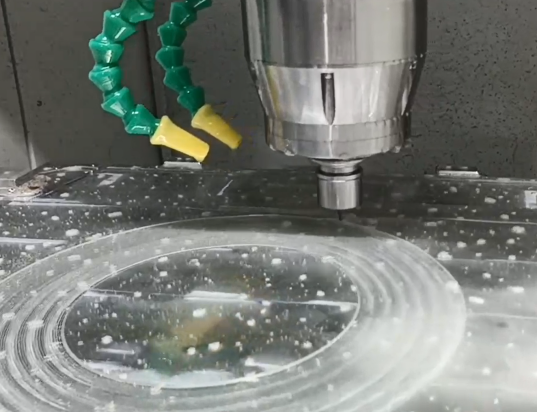
Figure 2: A lightweight FSW Cold Plate, ideal for applications where mass reduction is paramount.
Step 3: Evaluate Material and Fluid Compatibility
The choice of material (typically aluminum or copper) and coolant (water, glycol mixtures, dielectric fluids) is interdependent.
Aluminum Cold Plates
Pros: Lightweight, lower cost, good corrosion resistance with proper treatment.
Cons: Lower thermal conductivity than copper. Requires corrosion inhibitors if using non-pure water.
Best with: Deionized water with inhibitors, glycol-water mixes.
Copper Cold Plates
Pros: Superior thermal conductivity, excellent for extreme heat flux.
Cons: Heavier, more expensive, can be prone to galvanic corrosion with aluminum system parts.
Best with: Deionized water, dielectric fluids.
Expert Tip from Winshare Thermal: For most AI server applications, aluminum Brazed Cold Plates or Die Cast Cold Plates offer the best balance of performance, weight, and cost. Copper is reserved for the most extreme cases. Always discuss fluid compatibility with your supplier to ensure long-term reliability.
Step 4: Partner with a Capable Manufacturer
Technical specifications are only half the battle. The manufacturer's capability determines quality, lead time, and support. Here’s why Winshare Thermal stands out as a partner for your Liquid Cold Plate needs:
- Full-Spectrum Expertise: We don't just sell products; we provide thermal management solutions. Our team can guide you from concept to production, helping you choose between FSW Cold Plates for weight savings or Deep Hole Drilled Cold Plates for custom layouts.
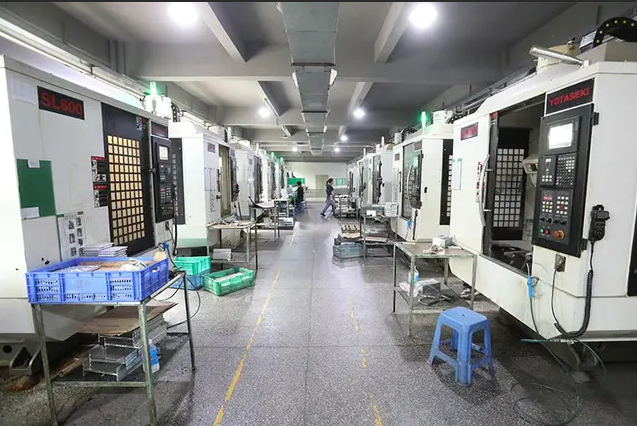
- In-House Manufacturing & Lab: We control the entire process, from R&D in our dedicated heat transfer lab to production in our advanced workshop. This ensures quality and accelerates prototyping.
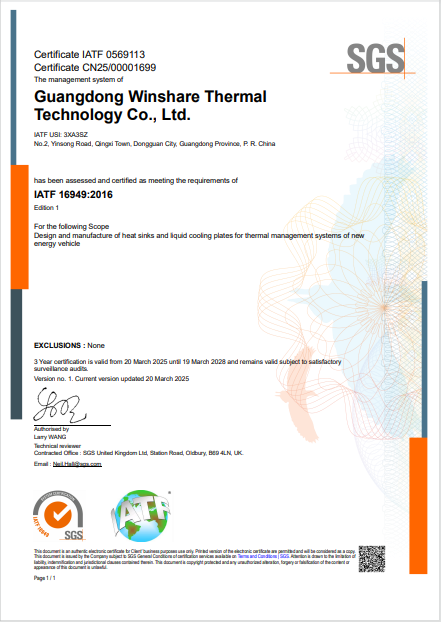
- Rigorous Quality Systems: Our commitment is backed by international certifications, including IATF 16949:2016 for automotive-grade quality and ISO 9001:2015. You receive a reliable, traceable product.
- Proven Track Record: Since 2009, we have served demanding fields like EV power batteries, motor controllers, photovoltaic inverters, and now, cutting-edge AI Cooling systems.
Step 5: Prototype, Test, and Iterate
Never finalize a design based on simulation alone. Engage with your supplier early for Design for Manufacturability (DFM) feedback. Reputable manufacturers like Winshare Thermal offer prototyping services to validate thermal and mechanical performance before committing to volume production. Testing should include:
- Thermal performance test under rated heat load and flow conditions.
- Pressure drop and flow distribution test.
- Leak test (typically with helium mass spectrometry for high-reliability applications).
- Long-term reliability test, including thermal cycling and corrosion resistance.
Ready to Optimize Your AI Server Cooling?
Selecting the optimal Liquid Cooling Plate is a strategic decision impacting performance, efficiency, and operational costs. By following this guide and partnering with an experienced provider, you can navigate the complexities of Brazed Cold Plates, Water Cooling systems, and advanced Mirco Channel Cooling designs.
Contact Winshare Thermal today for a expert consultation. Our engineers are ready to help you analyze your requirements and recommend the most effective thermal solution.
Phone/WhatsApp/WeChat: +86-18025912990
Email: wst01@winsharethermal.com
Website: https://www.winsharethermalloy.com
Address: No.2 Yinsong Road, Qingxi Town, Dongguan City, Guangdong Province, China 523640
Have Questions or Need More Details?
Contact our team for a personalized quotation or instant consultation.
Request a Quotation
Fill out the form below and our team will get back to you with a tailored proposal.
WhatsApp Direct Chat
Prefer to chat in real-time? Message us on WhatsApp for instant assistance & quick answers.
- Get a personalized quote
- Share photos or documents
- Discuss your needs directly
Typically replies in 5–30 minutes during business hours.