
AI Cooling Industry Trends 2026: The Critical Role of Advanced Liquid Cold Plates in High-Power Electronics
The thermal management landscape is undergoing a profound transformation, driven by the relentless march of Moore's Law and the explosive growth of artificial intelligence (AI), high-performance computing (HPC), and electric vehicles (EVs). As power densities soar beyond 1 kW/cm² in next-generation chipsets, traditional air cooling and basic heat sinks have hit a fundamental thermal wall. The industry's response is a decisive pivot towards sophisticated, high-performance liquid cooling solutions, with Liquid Cold Plates emerging as the cornerstone technology. This white paper, informed by the expertise of thermal management leaders like Winshare Thermal, analyzes the key trends, technological drivers, and future directions shaping the AI Cooling and high-power electronics thermal management sector in 2026 and beyond.
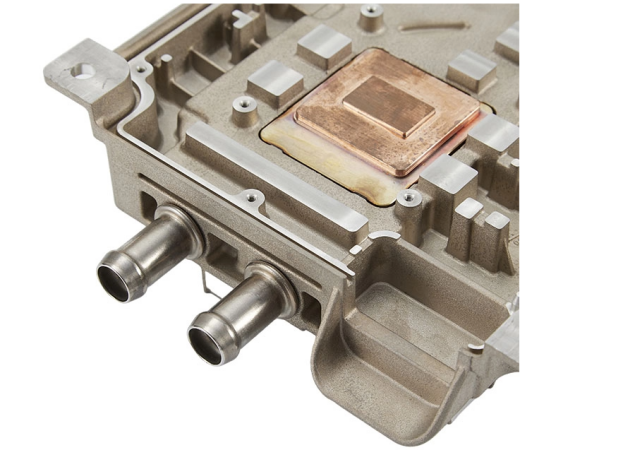
Figure 1: Advanced liquid cold plates are essential for managing extreme heat in high-density AI server racks. (Image: Winshare Thermal)
1. The AI & HPC Imperative: Driving Unprecedented Heat Flux
The primary catalyst for innovation in liquid cooling is the AI revolution. Training clusters and inference servers housing GPUs and specialized AI accelerators (like TPUs) operate at sustained, extreme power levels. This creates localized "hot spots" with heat fluxes that can exceed 500 W/cm². Effective AI Cooling is no longer a matter of component longevity; it is directly tied to computational performance, energy efficiency (PUE), and operational reliability.
Trend: The market is moving beyond single-phase Water Cooling towards more aggressive two-phase and hybrid cooling systems for the highest-tier chips. However, for the vast majority of high-power applications, advanced single-phase Liquid Cooling Plate designs remain the most practical and reliable solution. Innovations focus on internal channel architecture—such as Mirco Channel Cooling and Jet Cooling—to maximize heat transfer coefficient and minimize thermal resistance between the silicon die and the coolant.
2. Technology Diversification: Matching the Cold Plate to the Application
No single cold plate technology fits all. The industry trend is towards a portfolio approach, where manufacturers offer multiple fabrication processes to meet specific cost, performance, and reliability targets. Leading suppliers like Guangdong Winshare Thermal Technology Co., Ltd. exemplify this with a comprehensive range:
- Brazed Cold Plates: The gold standard for ultra-high heat flux and hermetic sealing. Utilizing vacuum brazing, these plates create complex, leak-proof internal channels ideal for direct cooling of high-power IGBTs and AI processors. They offer excellent thermal performance but at a higher cost.
- FSW (Friction Stir Welded) Cold Plates: Gaining traction in aerospace, defense, and automotive applications where weight, structural integrity, and leak-proof performance under vibration are critical. FSW provides a solid-state weld without melting, preserving material properties.
- Embedded Tube Cold Plates: A cost-effective and robust solution for applications like large-scale Energy Storage Systems and industrial motor drives. Copper or aluminum tubes are embedded into a base plate, offering good reliability and easier serviceability for large surfaces.
- Die Cast Cold Plates: Excellent for high-volume production of parts with complex geometries, often used in AI Server cooling for specific module designs. They provide a good balance of performance and cost for certain channel patterns.
- Deep Hole Drilled Cold Plates: Used for creating custom, high-aspect-ratio cooling channels for irregular heat sources or where internal manifold distribution is required, offering great design flexibility.
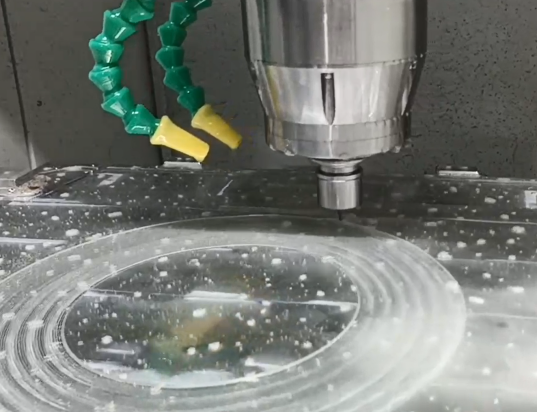
Figure 2: FSW Cold Plates are a key trend for lightweight, high-reliability cooling in mobile and harsh environments. (Image: Winshare Thermal)
3. Material Science and Integration: The Next Frontier
Beyond geometry, material innovation is a critical trend. The use of advanced thermal interface materials (TIMs), direct-to-chip liquid cooling, and the integration of cooling into the substrate (embedded cooling) are areas of intense R&D. Furthermore, there is a growing focus on corrosion-resistant alloys and coatings to ensure longevity with various coolants, especially in demanding EV and outdoor energy storage applications.
Companies at the forefront, such as Winshare Thermal, invest heavily in material labs and process development. Their collaboration with academic institutions like the South China University of Technology through a dedicated graduate workstation fuels this innovation pipeline, developing new heat conduction technologies and manufacturing techniques.
4. Supply Chain Resilience and Quality as a Strategic Differentiator
In a market where a cooling failure can lead to catastrophic system downtime, quality and supply chain reliability are paramount purchasing criteria. The trend is shifting towards partners with vertical integration capabilities—controlling key processes from material selection to final testing—and robust quality management systems.
This is evidenced by the industry's emphasis on certifications. A reputable manufacturer today must hold not just ISO 9001 for quality management, but also IATF 16949 for automotive applications, ISO 14001 for environmental management, and ISO 45001 for occupational health and safety. These certifications, like those maintained by Winshare Thermal (ISO 9001:2015, IATF 16949:2016, ISO 14001:2015, ISO 45001:2018), are no longer optional; they are a baseline for entering global high-tech supply chains for EVs, AI hardware, and renewable energy systems.
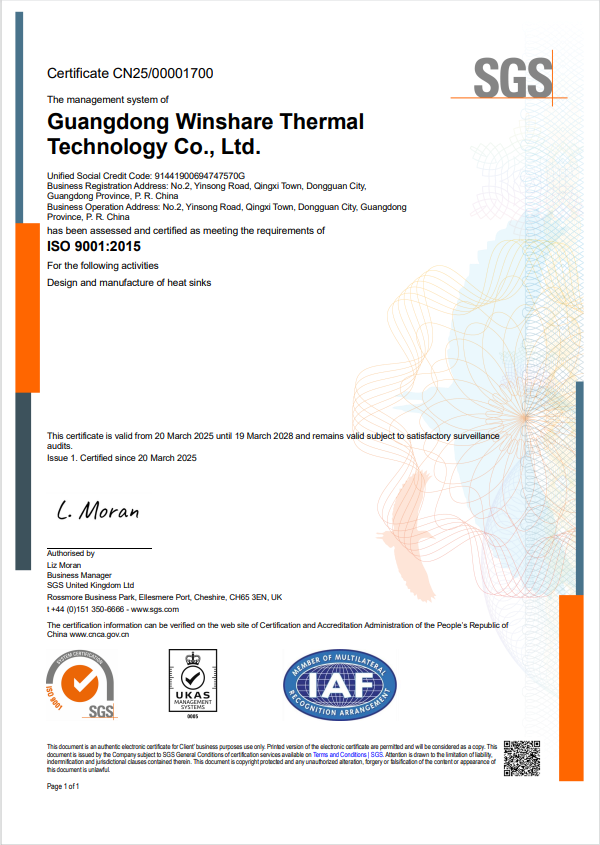
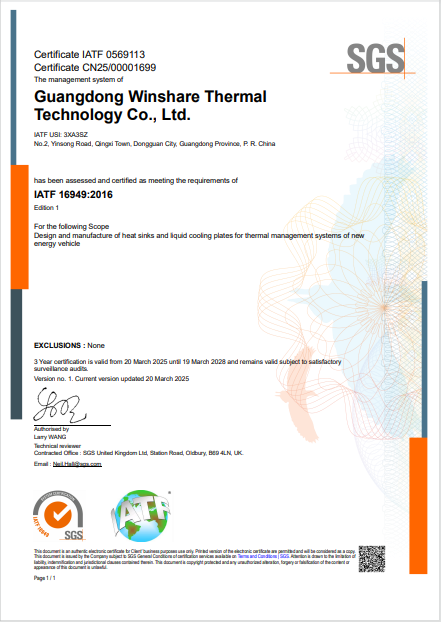
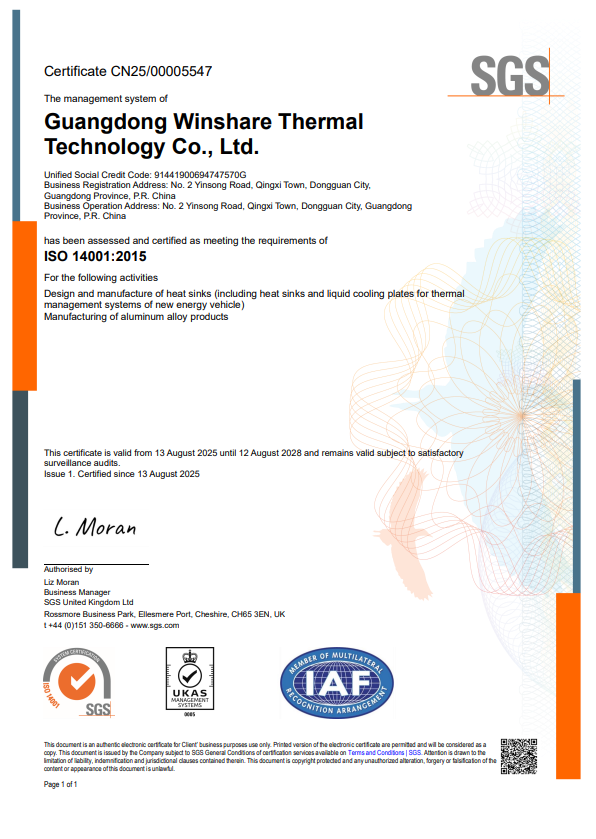
Figure 3: Core quality and automotive certifications are essential for suppliers in the high-power cooling market.
5. The Sustainability and Total Cost of Ownership (TCO) Equation
With global focus on energy efficiency, liquid cooling's role in reducing data center PUE is a major trend. Advanced cold plates enable higher chip operating temperatures at peak performance, which can allow for more aggressive economizer use and reduce overall chiller load. For EV batteries and power electronics, efficient thermal management directly extends range and battery life. Procurement decisions are increasingly based on a holistic TCO model that factors in energy savings, system reliability, and maintenance costs over the product's lifespan, rather than just upfront unit cost.
Conclusion and Outlook
The trajectory for the liquid cold plate industry is one of sustained growth and technological specialization. The demand driven by AI, HPC, and electrification is not cyclical but structural. Success in this market will belong to manufacturers who can offer:
- Technological Breadth: A portfolio covering Brazed, FSW, Embedded Tube, and other cold plate types.
- Deep Application Engineering: The ability to co-design solutions from the concept phase, integrating thermal management into the product architecture.
- Manufacturing Excellence and Quality Assurance: Vertical integration, scalable production, and internationally recognized certifications.
- Global Supply Chain Capability: The capacity to support customers' production schedules worldwide with consistent quality.
As a leader focused on high-power cooling since 2009, Winshare Thermal embodies these trends. From providing solutions for ICT, photovoltaic inverters, and wind power converters to now addressing the cutting-edge needs of AI servers and EV powertrains, their evolution mirrors the industry's shift. Their commitment to R&D, evidenced by their in-house lab and university partnership, and a comprehensive quality foundation position them as a strategic partner in the era of advanced thermal management.
For procurement professionals and engineers, the key takeaway is to evaluate liquid cold plate suppliers not just as component vendors, but as essential innovation partners whose thermal management expertise will be critical to the success of next-generation high-power electronic systems.
For more technical insights or to discuss your specific thermal challenge, contact:
Guangdong Winshare Thermal Technology Co., Ltd.
Website: https://www.winsharethermalloy.com
Email: wst01@winsharethermal.com
Phone/WhatsApp/WeChat: +86 18025912990
Address: No.2 Yinsong Road, Qingxi Town, Dongguan City, Guangdong Province, China 523640
Have Questions or Need More Details?
Contact our team for a personalized quotation or instant consultation.
Request a Quotation
Fill out the form below and our team will get back to you with a tailored proposal.
WhatsApp Direct Chat
Prefer to chat in real-time? Message us on WhatsApp for instant assistance & quick answers.
- Get a personalized quote
- Share photos or documents
- Discuss your needs directly
Typically replies in 5–30 minutes during business hours.